Order custom cycling jerseys for riders who have confirmed a size, add a small buffer only in your most common sizes, and plan a top-up batch for everyone else. Customized Cycling Jerseys starts at a minimum of 12 and keeps your approved design on file, so you can order to real demand instead of guessing high on day one.
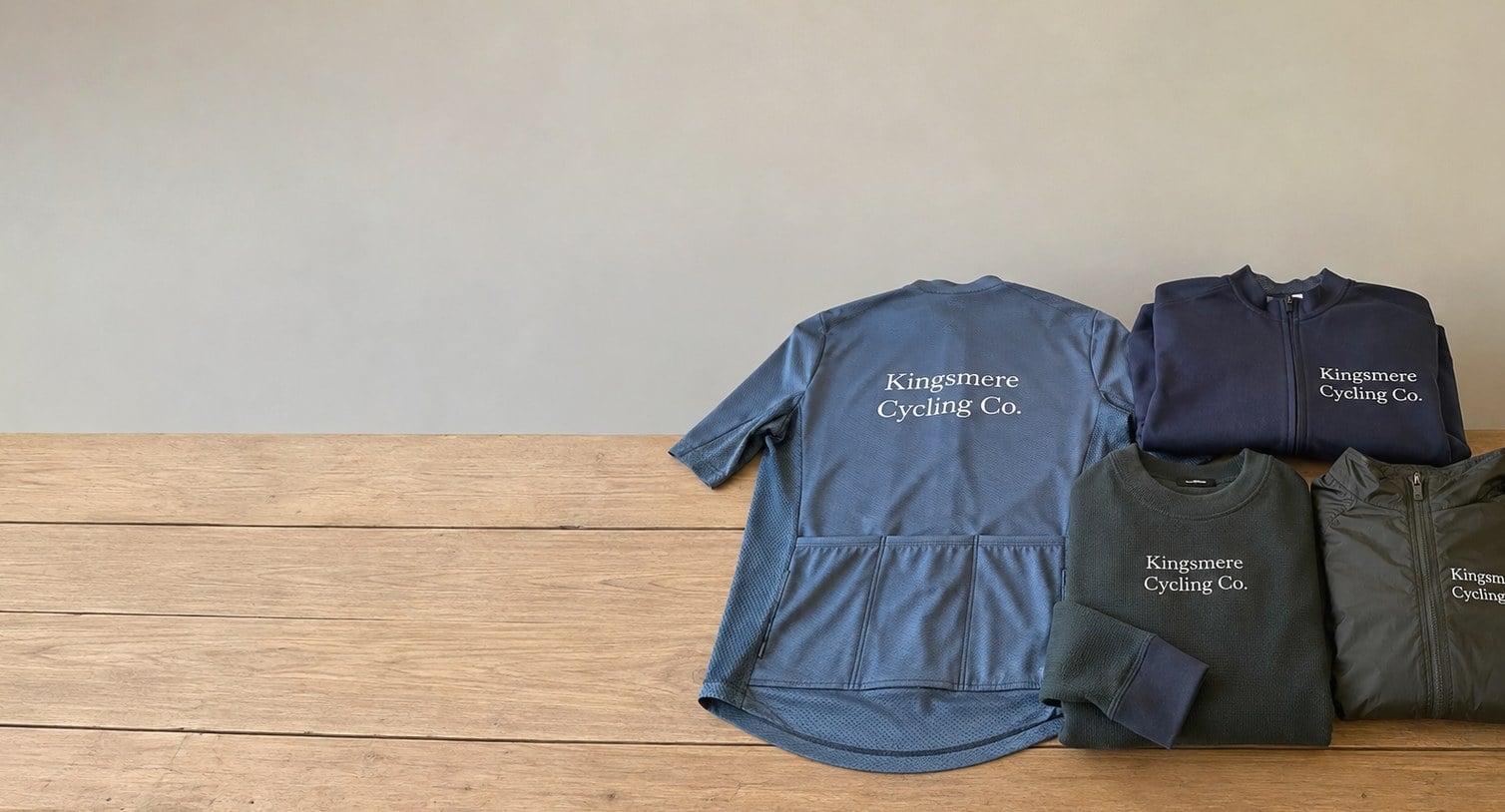
- Customized Cycling Jerseys orders start at a minimum of 12 cycling jerseys.
- A free mockup arrives within 24 hours, so members can see the design before they commit to a size.
- Standard turnaround is about 2 weeks after approval, which makes planned top-up batches practical.
- You pay nothing until you approve the design, with unlimited free revisions.
How many custom cycling jerseys should a club order?
A club should order custom cycling jerseys for every rider who has confirmed a size, plus a small buffer in the sizes most members wear, and no more. Customized Cycling Jerseys starts orders at a minimum of 12, so even a small club can order to real demand instead of guessing high to reach a large run.
The mistake most clubs make is counting members instead of buyers. A membership list includes riders who already own last season’s kit, riders who only race on the track, and social members who come to the café stop but rarely ride in club colors. None of them should be counted until they say yes.
A better starting point is three groups:
- Committed riders who have paid or confirmed a size.
- Likely riders who ride every week but have not answered yet.
- Possible riders such as new members, juniors and occasional riders.
Order for the first group, chase the second group before you approve the design, and cover the third group with a planned top-up order rather than a pile of spare stock. That keeps your first batch lean and your second batch easy.
How do you turn a member list into a real cycling jersey count?
You turn a member list into a real cycling jersey count by asking every rider for a size, a cut and a garment choice before you place the order, then ordering only what has been claimed. Customized Cycling Jerseys sends a free mockup within 24 hours, so you can share the design with members and collect answers while the details are still fresh.
Open a simple order form with a clear closing date. Ask each rider for their name, size, preferred cut and whether they also want a long-sleeve jersey or a gilet. Showing the mockup alongside the form gets more replies than a message that only asks for sizes.
| Rider group | How to count them | When to order for them |
|---|---|---|
| Confirmed and paid | Count every jersey they request | First batch |
| Confirmed, not yet paid | Count them once a size is on the form | First batch |
| Regular riders who have not replied | Chase them directly before approval | First batch if they answer in time |
| New members and juniors | Track interest in a waiting list | Top-up batch |
| Sponsors, volunteers and coaches | Agree a set number with the committee | First batch |
Keep the finished list in one spreadsheet with a column for each garment. That same sheet becomes the record you reuse for every reorder.
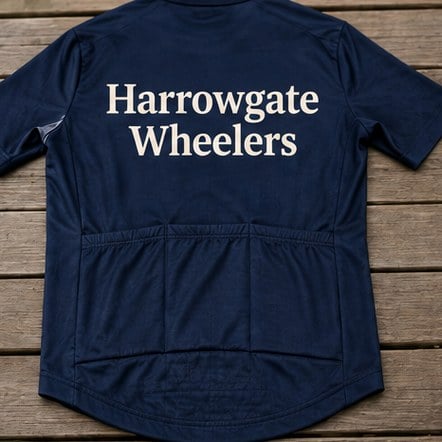
Should a club order spare cycling jerseys, and in which sizes?
A club should order spare cycling jerseys only in the middle sizes most of its riders already wear, and only when it has a clear plan for who will receive them. Spares in unusual sizes tend to sit in a box, while a modest buffer in the most common sizes covers late sign-ups, swaps and the rider who guessed wrong.
Look at the size column on your order form before deciding. If most riders cluster around two neighboring sizes, a couple of extra jerseys in each of those sizes is usually the most useful buffer. Do not add spares in every size just to feel safe, because each extra jersey is money the club has spent before anyone has asked for it.
Spares also work best with a fair system for handing them out. Many clubs sell them at the next club ride, keep them for new members who join mid-season, or give them to volunteers who marshal events. Whatever the plan, write it down before you order so the treasurer knows why the extra jerseys exist.
If you would rather not hold stock at all, a planned reorder through the team kit programmes page is the cleaner option.
How many cycling jerseys does each rider actually need?
Most club riders need one short-sleeve cycling jersey for regular rides, while riders who train several days a week, race, or ride multi-day events are better served by a second jersey so one can be washed while the other is worn. Asking riders this question on the order form avoids guessing on their behalf.
Think about how your members ride:
- Weekend social riders are usually happy with one jersey and wash it between rides.
- Racers and frequent trainers often want a second short-sleeve jersey, sometimes in a race-fit cut for competition.
- Tour and sportive riders on back-to-back days need enough jerseys to stay in club colors without washing every night.
- Year-round riders add a long-sleeve or thermal jersey for colder months.
Add a quantity column to the form rather than assuming one jersey per rider. Some riders will order more for themselves or for a partner who rides with the club, and that demand is easy to miss if the form only offers a single box.
How should a club split quantities across cuts and garments?
A club should split its cycling jersey quantities by asking each rider which cut and garment they want, then grouping the answers, rather than deciding the mix in a committee meeting. Customized Cycling Jerseys can produce the same design across different cuts and garments, so the split should follow what riders will actually wear.
Club-fit jerseys suit the widest range of riders and usually make up the bulk of a first order. Race-fit jerseys go to riders who compete or prefer a closer cut. Gravel and mountain bike riders may want a gravel or MTB jersey instead of a road cut. Gilets are often ordered by a smaller group, though they are popular with riders who start early in the morning.
| Garment | Who usually orders it | Quantity tip |
|---|---|---|
| Club-fit endurance jersey | Most members, newer riders | Base of the order |
| Race-fit jersey | Racers and fast group riders | Count from the race roster |
| Long-sleeve or thermal jersey | Year-round riders | Order before the cold season |
| Gilet or wind vest | Early starters, event staff | Often fewer than jerseys |
| Gravel or MTB jersey | Off-road section of the club | Count separately from road riders |
Is it better to order all your cycling jerseys at once or in staged batches?
For most clubs, the best approach is one main order of custom cycling jerseys at the start of the season and one or more planned top-up batches later, rather than a single oversized order. A main order captures most of the demand, while staged batches cover new members, lost jerseys and riders who change their minds.
Ordering everything at once can make sense for a one-off event, a charity ride or a team that will not change during the season. For an ongoing club, though, buying far ahead of demand ties up money in stock and risks leftover sizes that nobody needs.
Staged batches work smoothly because the approved design is kept on file. With standard turnaround of about 2 weeks after approval, a top-up can be planned around the club calendar, and faster turnaround is available with express shipping when a new rider needs kit before a key event. Choose fixed reorder points, such as before the spring season and before autumn, so members know when the next window opens.
For very large groups, the guide to ordering for 100+ riders covers splitting deliveries and collecting sizes at scale.
What does a simple quantity-planning checklist look like?
A good quantity-planning checklist for custom cycling jerseys takes you from a rough member count to a confirmed order in a few steps. Run through it before every order, not just the first one, and save the results so the next season starts from real data.
- Request a free mockup from Customized Cycling Jerseys so members can see the design.
- Open an order form with name, size, cut, garment and quantity columns.
- Set a closing date and send reminders to regular riders who have not answered.
- Agree with the committee how many jerseys go to sponsors, coaches and volunteers.
- Decide whether to add a small buffer in the most common sizes, and who will receive it.
- Check the total against the minimum of 12 and approve the design.
- Record the final counts by size and garment for the next reorder.
- Set the date for the next top-up window and tell members.
You pay nothing until you approve the design, and revisions are free and unlimited, so there is no cost to getting the artwork right while the numbers settle. When your list is ready, send it through the custom quote form and the team will confirm the order.
Frequently asked questions
How can a club estimate demand for custom cycling jerseys before opening orders?
A club can estimate demand for custom cycling jerseys by counting riders who turn up to regular club rides over a few weeks, not by counting the full membership list. Share the free mockup from Customized Cycling Jerseys in the club chat and ask for a quick show of interest. That rough number tells you whether a first order is realistic before you build the formal order form.
How many custom cycling jerseys does each rider need for a multi-day tour or stage event?
Custom cycling jerseys for a multi-day tour should cover enough days that riders are not washing kit every night, so many riders choose a second jersey or a mix of short-sleeve jerseys and a gilet. Ask each rider how many days they will ride and whether laundry is available. Let them choose their own quantity on the order form rather than setting one number for everyone.
Should a club order the same number of gilets as custom cycling jerseys?
Custom cycling jerseys are usually ordered by almost every rider, while gilets tend to suit a smaller group, such as early starters, year-round riders and event staff. Ask riders separately whether they want a gilet instead of assuming one per jersey. Customized Cycling Jerseys can match the gilet artwork to the jersey design, so riders who skip it now can add one in a later batch.
How should a club decide how many race-fit versus club-fit cycling jerseys to order?
Race-fit and club-fit cycling jerseys should be counted from rider choices on the order form, not set by the committee. Start the race-fit count from the club's race roster and fast group riders, and treat club-fit as the default for everyone else. Riders who are unsure should usually pick club fit, because the relaxed cut suits a wider range of body shapes and riding styles.
Is it more cost-effective to order all club cycling jerseys at once or in several batches?
Custom cycling jerseys ordered in one larger run can be more efficient, but only if the club actually needs every jersey. Unused stock costs money that a smaller batch would have saved. Customized Cycling Jerseys answers price questions with a tailored quote, since cut, garment mix and quantity all affect the total, so request quotes for both approaches and compare them before deciding.
How should a club plan cycling jersey quantities for junior riders who grow quickly?
Cycling jerseys for junior riders are best ordered close to when they will be worn, because young riders can move up a size within a single season. Order juniors only for the current season, avoid stocking spare youth sizes, and plan a top-up batch for growth. Asking parents to confirm sizes shortly before approval keeps the junior count accurate and reduces jerseys that no longer fit.
When is the right moment to place a top-up batch of club cycling jerseys?
A top-up batch of club cycling jerseys works best at a fixed point in the club calendar, such as before the spring season or ahead of autumn riding. Collect new member requests on a waiting list until that date. With a standard turnaround of about 2 weeks after approval from Customized Cycling Jerseys, riders who join between windows still get kit without waiting a whole year.
How many cycling jerseys should a club set aside for sponsors, coaches and volunteers?
Cycling jerseys for sponsors, coaches and volunteers should be agreed by the club committee before the order is placed, with a named person behind every jersey. Sponsors often appreciate a jersey for a key contact, and ride leaders or marshals are more visible in club colors. Adding these names to the main order form keeps them in the count instead of becoming last-minute extras.
How long should a club keep its cycling jersey order form open?
A cycling jersey order form should stay open long enough for regular riders to see the mockup and reply, but not so long that the order drifts. A short, clearly dated window with reminders works well for many clubs. Customized Cycling Jerseys returns a free mockup within 24 hours, so you can open the form as soon as the design is ready and close it before final approval.
What records should a club keep to make the next cycling jersey order easier?
Club cycling jersey records should include each rider's name, size, cut, garment and quantity, plus any jerseys left over or swapped after delivery. Save the approved design reference from Customized Cycling Jerseys with the list. Next season, those records show which sizes sold out and which sat unused, so the club can plan its reorder from real numbers instead of starting from scratch.
Should a racing team plan extra cycling jerseys to replace kit damaged in crashes?
Racing team cycling jerseys do get torn in crashes, so many teams keep a small number of replacements in the sizes their racers wear most. An alternative is adding damaged jerseys to the next planned top-up batch. Because the approved design stays on file, a replacement matches the rest of the team, and express shipping can help when a racer needs kit before an important race.
Get a free mockup for your cycling jerseys
Send your logo or idea and the quantity you have in mind. Customized Cycling Jerseys returns a free mockup within 24 hours, you approve the design before anything is produced, and standard turnaround is about two weeks with faster options available. Get a custom quote.